
Study in Malta
Why Study in Malta?
Top-Ranked Universities and Global Recognition For Malta
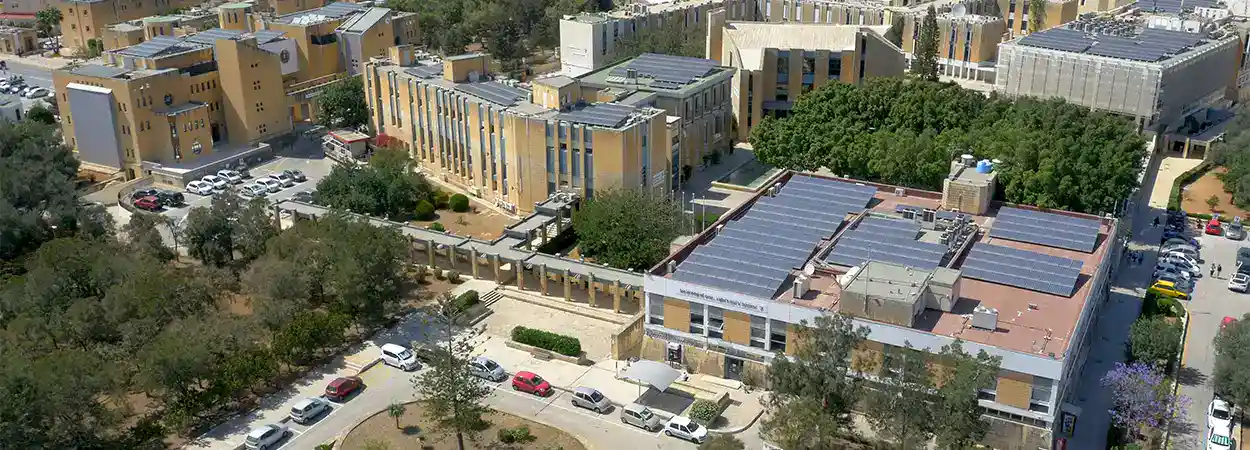
Malta’s higher education landscape is anchored by the University of Malta, the nation’s only public university, complemented by specialized institutions like MCAST and private colleges offering EU-recognized programs.
| University | Type | QS Ranking |
| University of Malta | Public | 741-751 |
| MCAST | Applied College | Regional leader |
| American University of Malta | Private | – |
| Global College Malta | Private | – |
Universities We Promote
- Ascencia Business School
- Global College Malta
- Global Applied Knowledge GBS MALTA
Famous Programs and Fields in Malta
Indian students strategically choose Malta programs offering strong employability combined with practical curricula aligned to EU and global markets. Medicine and dentistry attract significant Indian Enrollment due to EU-recognized credentials and clinical training opportunities. Engineering disciplines thrive due to Malta’s maritime and industrial sectors requiring qualified professionals. Business, management, and accounting programs are popular due to clear industry demand. IT and cybersecurity programs benefit from Malta’s digital and fintech ecosystem expansion. Hospitality and tourism studies align with year-round tourism economy opportunities.
Popular study areas for Indian students include the following disciplines.
- Engineering, including civil, mechanical, and maritime specializations, with strong industry placements.
- Business and MBA programs with CFA integration and 95% employability rates within six months.
- IT and cybersecurity specializations catering to Malta’s “Silicon Valley of the Mediterranean” tech ecosystem.
- Law, including LLM in EU and International Law, is valuable for global career trajectories.
- Medicine offering EU-recognized MBBS equivalents with clinical placements and research opportunities.
- Hospitality and tourism studies capitalize on the Mediterranean tourism industry demand.
Affordable Education and Scholarship Options
Malta’s tuition fees rank among Europe’s most affordable, with international undergraduate programs ranging €7,000–€15,000 annually and postgraduate programs €10,000–€20,000 yearly. These costs remain 40–50% lower than UK, USA, or Australia programs while maintaining academic quality. The University of Malta offers merit-based scholarships waiving 40–100% of tuition fees for high-performing non-EU applicants through three annual rounds.Scholarship and financial aid options for Indian students include comprehensive support programs.- University of Malta International Scholarships covering 40–100% tuition fees based on predicted marks and online interviews.
- Malta Government Scholarships offer €2,000–€5,000 annually for high-achieving international students.
- University-specific research scholarships ranging €3,000–€10,000 per year for eligible candidates.
- Merit-based awards are available for undergraduate, postgraduate, and PhD levels across institutions.
Total Funds Required: Expected Fees, Living Expenses, and Other Costs
Budget planning should encompass tuition, accommodation, meals, transport, and miscellaneous expenses for 12 months. Bachelor’s programs require €7,000–€15,000 annually in tuition fees. Master’s programs cost €10,000–€20,000 annually, depending on specialization. Living expenses average €800–€1,200 monthly including accommodation, food, utilities, transport, and leisure. One-year bachelor’s total cost approximates €15,000–€28,000 all-inclusive. Two-year master’s total cost ranges €30,000–€55,000, including tuition and living. Medical programs spanning 5–6 years require €50,000–€100,000 total investment.
Monthly expenses typically include the following essential categories.
- Accommodation: €700–€1,000 monthly in city centres or €550–€800 outside central areas.
- Food and groceries: €200–€300 monthly when cooking independently or €300–€400 including occasional dining.
- Transportation: €26 monthly for unlimited public transport passes or €2 per single journey.
- Utilities and internet: €40–€70 monthly, covering electricity, water, and high-speed connectivity.
Stay Back Options: Part-Time Work and Post-Study Work Visa
Malta enables international students to work part-time during studies and offers a 12-month post-study work residence permit for graduates seeking employment. Students can legally work through integrated visa provisions without requiring separate work permits.
Part-time and post-study work opportunities for students include flexible employment pathways.
- International students can work up to 20 hours weekly during academic semesters, maintaining student status.
- Full-time work is permitted during official semester breaks and holiday periods throughout the year.
- Post-study work residence permit allows 12 months for graduate job searching after degree completion.
- Single Work Permit enables transition to employment-based residence once job offer is secured.
- Hourly wages range €6–€8 per hour depending on role and industry, supporting living expenses significantly.
- Common sectors include hospitality, retail, IT support, tutoring, and creative freelancing opportunities.
Bachelor’s in Malta: Entry Requirements/Tuition Fee and All Others
International bachelor’s candidates must demonstrate secondary completion, English proficiency, and financial capacity. Admissions emphasize recognized 12 years of schooling or equivalent senior secondary certificates. English language requirements typically include IELTS 6.0 or TOEFL equivalent scores, with MOI certificates accepted from previous English-medium education.Bachelor’s admission requirements for international students include essential documentation.- 12 years of completed schooling with minimum 60–75% marks, depending on program selectivity.
- IELTS 6.0 or TOEFL equivalent demonstrating English proficiency for non-native speakers.
- Entrance examinations are required for competitive programs like medicine, dentistry, or architecture.
- Completed application forms submitted through university portals with supporting transcripts and passport copies.
- Statement of Purpose explaining academic goals and program selection rationale.
- Proof of financial means demonstrating the capacity to cover €15,000–€25,000 annually, including tuition and living.
Master’s in Malta: Entry Requirements/Tuition Fee and All Others
Master’s admissions require bachelor’s degrees from recognized institutions with official transcripts and certification. English language proficiency remains essential through IELTS 6.0–7.0, TOEFL, or equivalent certifications. Most programs accept MOI certificates if undergraduate studies were English-taught.Master’s level admission criteria for qualified applicants include specific requirements.- Bachelor’s degree from a recognized university with a minimum GPA 2.5 or 60% marks overall.
- English proficiency through IELTS 6.0–7.0 or TOEFL iBT 80–94, depending on program demands.
- Statement of Purpose outlining career goals, research interests, and program selection rationale clearly.
- Two to three Letters of Recommendation from previous professors or professional supervisors supporting the application.
- Updated Curriculum Vitae highlighting academic achievements, work experience, and relevant professional skills.
- Some programs require entrance examinations, GMAT, or interviews assessing subject knowledge and aptitude.
- Proof of financial resources of approximately €12,000–€15,000 covering annual tuition and living expenses comprehensively.